Quando o design do seu produto precisa de validação física, esperar semanas pelas ferramentas pode retardar o desenvolvimento e aumentar os custos. Prototipagem Rápida com a impressão 3D oferece uma maneira mais rápida de transformar dados CAD em protótipos funcionais, peças de teste, e componentes de pequenos lotes. VOK Precision Technology Co., Ltda. fornece serviços profissionais de impressão 3D usando SLA, SLS, e tecnologias de impressão em metal.
Com mais de 20 anos de experiência no setor, 200+ funcionários, um 3,000 base de produção m², e 5,000+ projetos concluídos anualmente, VOK apoia engenheiros e equipes de produto desde a validação de conceito até testes de protótipos. Você pode escolher diferentes tecnologias e materiais de impressão de acordo com a precisão necessária, força, qualidade da superfície, e aplicação.
Por que escolher a impressão 3D para prototipagem rápida?
As ferramentas tradicionais podem se tornar caras quando seu projeto ainda está mudando. Em comparação, 3A impressão D para prototipagem rápida permite produzir peças físicas diretamente a partir de designs digitais sem primeiro investir em moldes convencionais.
Essa abordagem funciona particularmente bem quando você precisa:
- Validar dimensões e montagem do produto
- Teste a forma e a aparência de um novo design
- Verifique o desempenho funcional antes da produção em massa
- Produza componentes personalizados em pequenas quantidades
- Reduza o tempo de desenvolvimento entre iterações de design
- Avalie diferentes materiais e estruturas
Por exemplo, você pode modificar um modelo CAD, imprimir um novo protótipo, teste, e então fazer outra revisão de projeto sem reconstruir um molde de produção.
Tecnologias de prototipagem rápida disponíveis na VOK
VOK suporta vários processos de impressão 3D, permitindo que você selecione a tecnologia mais adequada para o seu protótipo.
Prototipagem SLA para peças de alta precisão
O SLA é adequado quando você precisa de detalhes finos, superfícies lisas, e protótipos visuais precisos. O serviço SLA da VOK oferece suporte a materiais semelhantes aos materiais de resina ABS e GP60.
As principais especificações incluem:
- Tamanho máximo: 600 × 600 × 350 milímetros
- Tolerância: ±0,05mm
- Opções de materiais: Materiais semelhantes ao ABS, GP60 e diversas resinas
- Principais vantagens: Alta precisão e qualidade de superfície lisa
Você pode usar protótipos de SLA para verificações de aparência do produto, validação de habitação, análises de design, e outras aplicações onde a qualidade da superfície é importante.
Prototipagem SLS para Componentes Funcionais
SLS oferece uma opção prática quando seu protótipo precisa de desempenho mecânico mais forte. VOK usa materiais incluindo PA12, PA12 + GF, e PA + MF.
Suas especificações incluem:
- Tamanho máximo: 410 × 350 × 350 milímetros
- Tolerância: ±0,1mm
- Principais vantagens: Excelentes propriedades mecânicas
- Aplicações típicas: Peças funcionais e protótipos de engenharia
Portanto, O SLS pode ser uma boa escolha quando você precisa testar um componente sob condições operacionais mais realistas.
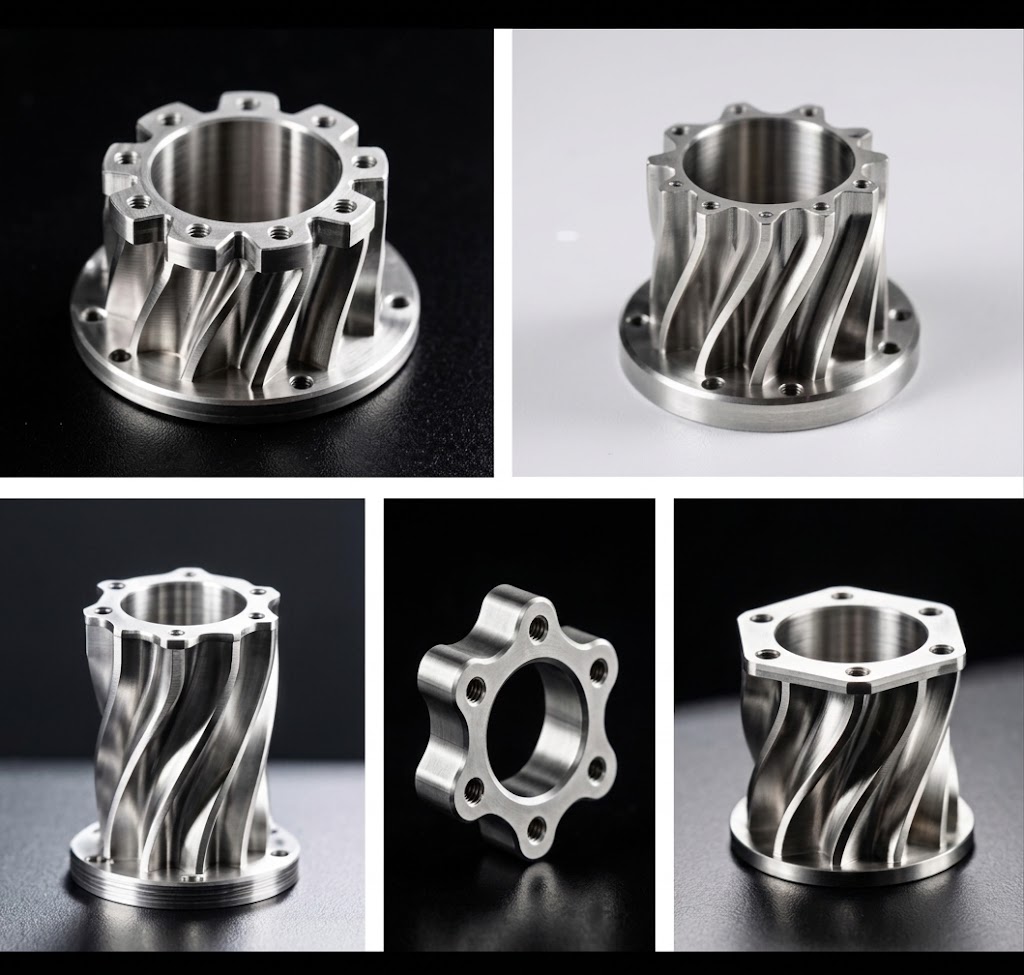
Impressão 3D de metal para protótipos de engenharia
Quando os materiais plásticos não atendem às suas necessidades, VOK também fornece impressão 3D de metal. Os materiais disponíveis incluem AL6061, AlSi10Mg, TC4, GH3625, 17-4PH, 316eu, e 18Ni300.
As especificações típicas incluem:
- Rugosidade superficial: Rá 6,3–7
- Tolerância: 0.2–0,4 mm
- Vantagens: Moldagem integrada, estruturas leves, e prototipagem rápida
A impressão em metal pode apoiar o desenvolvimento de engenharia onde você precisa de um protótipo de metal para avaliar a estrutura, peso, ajustar, ou características funcionais.
3Comparação de tecnologia de impressão D
A escolha do processo certo depende do que você precisa testar. A comparação a seguir pode ajudá-lo a tomar uma decisão inicial.
| Tecnologia | Materiais Típicos | Tolerância | Vantagem Principal | Aplicações adequadas |
|---|---|---|---|---|
| SLA | Resina tipo ABS, GP60 | ±0,05mm | Alta precisão, superfície lisa | Modelos de aparência, protótipos detalhados |
| SLS | PA12, PA12+GF, PA + MF | ±0,1mm | Propriedades mecânicas fortes | Peças funcionais, protótipos de engenharia |
| Impressão metálica | AL6061, AlSi10Mg, TC4, 316eu | 0.2–0,4 mm | Estruturas metálicas integradas | Protótipos de metal, componentes leves |
O processo certo depende dos seus requisitos de projeto, em vez de simplesmente escolher a opção de menor custo. VOK pode ajudá-lo a avaliar o material, dimensões, tolerância, e aplicação pretendida antes da produção.
Como funciona o processo de prototipagem rápida
Você pode passar de um conceito digital para um protótipo físico por meio de um fluxo de trabalho simples:
- Envie seu projeto CAD
Forneça seu modelo 3D e requisitos técnicos para revisão. - Defina os requisitos do seu protótipo
Confirme as dimensões, material, tolerância, requisitos de superfície, quantidade, e aplicação. - Selecione a tecnologia de impressão
Escolha o SLA, SLS, ou impressão 3D em metal de acordo com seus requisitos funcionais e visuais. - Produção de protótipo
A VOK processa seu projeto usando a tecnologia e o material de fabricação selecionados. - Inspecione e teste as peças
Verifique as dimensões, ajustar, qualidade da superfície, conjunto, e desempenho funcional com base nos requisitos do seu projeto. - Revise e fabrique novamente, se necessário
Se o teste identificar alterações no design, você pode atualizar o modelo CAD e produzir outra iteração de protótipo.
Este fluxo de trabalho ajuda a identificar problemas de design mais cedo, antes de se comprometer com a produção em maior volume.
Qualidade, Experiência, e capacidade de produção
Para projetos de protótipo, a capacidade técnica por si só não é suficiente. Você também precisa de uma comunicação consistente, controle de produção, e documentação de qualidade.
VOK Precision Technology Co., Ltda. tem:
- 20+ anos de experiência no setor
- 200+ funcionários
- 3,000 base de produção m²
- 5,000+ projetos por ano
- 1,000+ clientes globais
- Experiência em atendimento automotivo, médico, aeroespacial, eletrônica, e indústrias de automação
- Documentação de certificação disponível para verificação de qualidade e conformidade
A VOK desenvolveu parcerias de longo prazo com clientes em toda a Europa, América do Norte, e Ásia-Pacífico. Esta experiência em projetos internacionais permite que a equipe entenda diferentes requisitos de engenharia e apoie o desenvolvimento de protótipos para uma ampla gama de aplicações.
Quando você deve usar a impressão 3D para prototipagem rápida?
3A impressão D é particularmente útil quando seu projeto ainda está em evolução ou quando você precisa de validação física antes das ferramentas de produção.
Considere isso quando precisar:
- Um protótipo para revisão de design de produto
- Múltiplas iterações de design
- Um protótipo funcional para teste
- Uma peça personalizada em pequena quantidade
- Um protótipo de metal sem ferramentas convencionais
- Um modelo visual detalhado para apresentação ou teste de montagem
Se o seu projeto requer centenas ou milhares de peças idênticas, no entanto, você pode eventualmente se beneficiar da moldagem por injeção ou de outro processo de produção. VOK também fornece usinagem CNC, fabricação de chapas metálicas, fundição a vácuo, ferramentas rápidas, e moldagem por injeção, para que você possa fazer a transição para outro método de fabricação quando seu projeto for além da prototipagem.
Perguntas frequentes
Qual é a melhor tecnologia de impressão 3D para prototipagem rápida?
Não existe um processo único para cada aplicação. SLA é adequado para protótipos de alto detalhe e superfícies lisas, SLS funciona bem para peças plásticas funcionais, enquanto a impressão 3D de metal é apropriada quando você precisa de materiais metálicos e estruturas integradas complexas.
Quão preciso é o serviço de impressão 3D da VOK?
A precisão depende da tecnologia e do material selecionados. A tolerância SLA declarada da VOK é de ±0,05 mm, A tolerância SLS é de ±0,1 mm, enquanto a tolerância de impressão em metal é de aproximadamente 0,2–0,4 mm.
A impressão 3D pode ser usada para fabricação de pequenos lotes??
Sim. 3A impressão D pode ser adequada para produção de baixo volume quando os custos de ferramentas, mudanças de design, ou peças personalizadas tornam a fabricação convencional menos prática. O processo apropriado depende da quantidade, material, geometria, e requisitos de desempenho.
Conclusão
O protótipo certo pode ajudá-lo a identificar problemas de design antes que se tornem problemas de produção caros. Com SLA, SLS, e opções de impressão em metal, VOK Precision Technology Co., Ltda. fornece flexível Prototipagem Rápida soluções para desenvolvimento de produtos, teste funcional, validação de engenharia, e fabricação de pequenos lotes. Com 20+ anos de experiência, 1,000+ clientes globais, e 5,000+ projetos por ano, A VOK pode oferecer suporte ao seu protótipo, desde dados CAD até peças acabadas.
CTA
Envie seu arquivo CAD 3D, material necessário, quantidade, dimensões, e requisitos de aplicação para VOK para uma avaliação do projeto e recomendação de processo de impressão 3D adequado.