When you need CNC Turning for a prototype or production part, inconsistent tolerances, material limitations, and long delivery times can quickly increase project costs. You need a machining partner that can turn engineering drawings into accurate parts while supporting both development and production.
At VOK Precision Technology, CNC turning forms part of a broader CNC machining capability that supports prototypes, produção de baixo volume, and volume manufacturing. Com 19+ anos de experiência no setor, 199+ funcionários, a 2,987 m² production base, and more than 4,979 projetos concluídos anualmente, VOK Precision works with clients across automotive, aeroespacial, médico, eletrônica, automação, agricultura, and robotics.
What Does CNC Turning Offer for Your Project?
CNC turning removes material from a rotating workpiece while cutting tools shape the required diameter, length, grooves, threads, and other features. This process works particularly well for cylindrical and rotational components where dimensional consistency matters.
VOK combines CNC turning with CNC milling and other machining processes, allowing you to select the right manufacturing approach according to your part geometry and production requirements.
You can use CNC turning for:
- Shafts, pins, bushings, and sleeves
- Threaded and cylindrical components
- Automotive and motorcycle parts
- Componentes de automação e robótica
- Agricultural machinery parts
- Alumínio, steel, brass, cobre, and plastic components
- Prototype parts and low-volume production
CNC Turning Materials and Precision Capabilities
Your material choice affects machining parameters, acabamento superficial, durabilidade, and final application performance. VOK supports a broad material range for both metal and plastic machining.
Metal CNC Turning
Available materials include:
- Alumínio: AL6061, AL7075, AL6083
- Aço: AISI 4140, AISI 1215, AISI 1008, A2, D2
- Aço inoxidável: SUS304, SUS303, SUS17-4PH
- Latão, cobre, bronze, and low-carbon steel
VOK’s metal workshop supports workpieces up to 2100 × 1200 × 550 milímetros. For specified turning dimensions, the listed lathe tolerance reaches ±0.005 mm per 100 milímetros, supporting applications that require controlled dimensional accuracy.
Plastic CNC Turning
VOK also machines engineering plastics such as ABS, PMMA, PC, ESPIAR, POM, PA, PA+GF, PPS, Delrin, and G10.
This gives you more flexibility when developing lightweight components, electrical parts, mechanical prototypes, and functional testing parts.
CNC Turning vs. CNC Milling: Which Process Fits?
The best process depends on your part geometry rather than simply the material. CNC turning suits rotational parts, while CNC milling works better for components requiring slots, pockets, holes, and complex multi-axis features.
| Exigência | CNC Turning | CNC Milling |
|---|---|---|
| Cylindrical parts | Highly suitable | Suitable |
| Shafts and pins | Highly suitable | Suitable |
| Complex flat surfaces | Limited | Highly suitable |
| Slots and pockets | Limited | Highly suitable |
| Rotational symmetry | Highly suitable | Less suitable |
| Multi-axis machining | Available depending on equipment | Available |
| Prototype production | Suitable | Suitable |
| Low-volume production | Suitable | Suitable |
For complex components, you can also combine turning and milling operations to reduce additional setup and assembly requirements.
How VOK Handles Your CNC Turning Project
A structured workflow helps reduce manufacturing errors and unnecessary revisions.
- Submit your design
Send your CAD file, technical drawing, requisitos de materiais, quantidade, and expected application. - Review the manufacturing requirements
VOK evaluates dimensions, tolerâncias, material, machining processes, and finishing requirements. - Select the machining process
The team determines whether CNC turning, milling, five-axis machining, Música eletrônica, wire cutting, or a combination of processes fits your part. - Machine the prototype or production parts
VOK produces components using production-grade metal or plastic materials. - Apply the required surface finish
Options include anodizing, pintura, óxido preto, niquelagem, Revestimento PVD, polimento, chromate treatment, and other finishing processes. - Inspect and deliver
The completed parts undergo the required dimensional and quality checks before delivery.
CNC Turning for Prototypes and Low-Volume Production
Se você estiver desenvolvendo um novo produto, you may not need thousands of parts at the beginning. CNC turning allows you to produce functional prototype parts from production-grade materials, helping you test fit, dimensões, conjunto, and performance before increasing production volume.
VOK supports projects from early-stage prototyping through full-scale production. This makes the service suitable for engineers, desenvolvedores de produtos, and manufacturers who need a practical transition from prototype validation to low-volume manufacturing.
Por exemplo, an automation company can machine aluminum shafts and brackets for an initial functional test. After design validation, the same manufacturing partner can support additional quantities without requiring you to move the project to a completely different supplier.
Surface Finishing for CNC Turned Parts
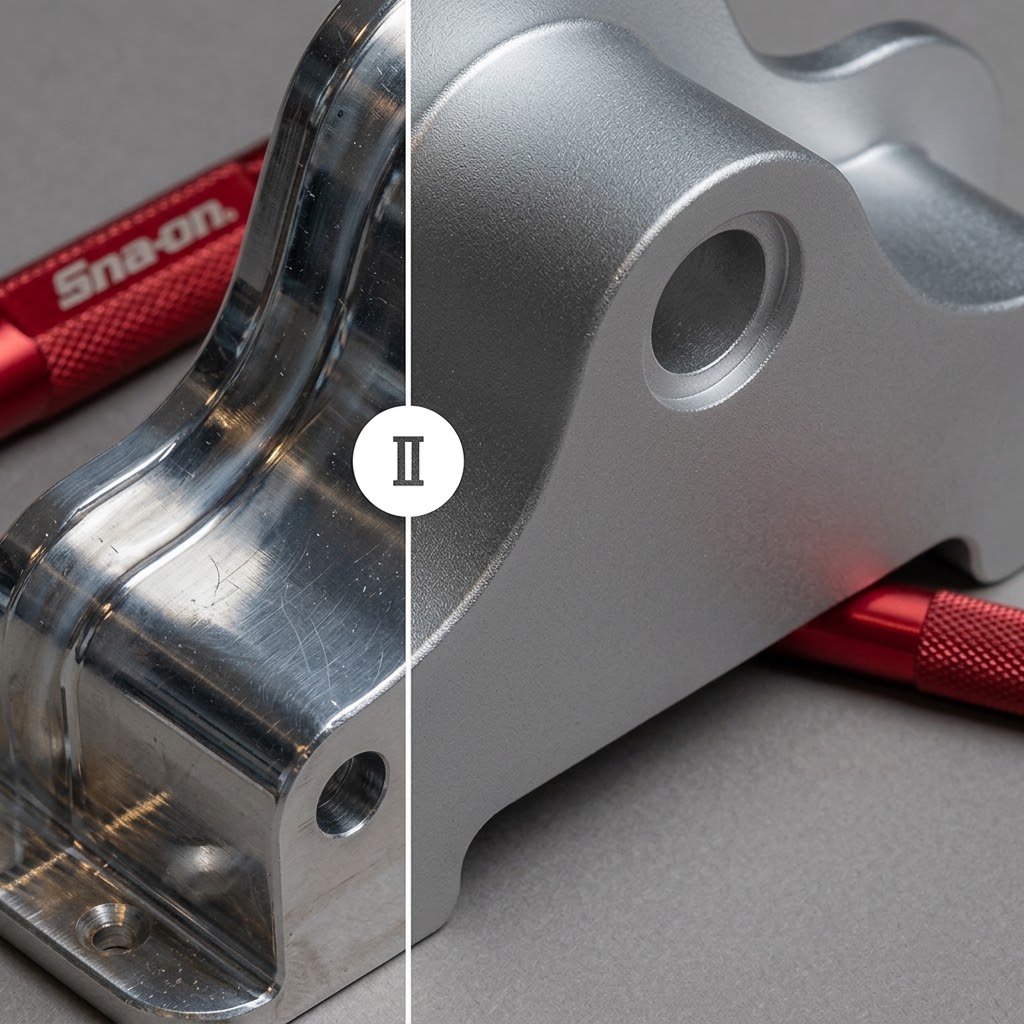
Machining is only one part of the manufacturing process. Depending on your application, you can add finishing operations to improve appearance, resistência à corrosão, wear resistance, or surface performance.
VOK offers options including:
- Anodizing in multiple colors
- Painting and spraying
- Black oxide
- Nickel plating
- Revestimento PVD
- Chromate treatment
- Mirror polishing and brushing
- High polishing for PMMA
- Anti-UV coating
- Flash chrome finishing
These options allow you to match the final part to its mechanical and visual requirements.
Why Work With VOK Precision Technology?
VOK Precision Technology has completed 4,979+ projects per year and serves more than 1,000 clientes globais. Its experience covers automotive, médico, aeroespacial, eletrônica, automação, agricultura, robótica, e outras aplicações de engenharia.
The company also provides multiple manufacturing processes under one service system, incluindo usinagem CNC, Torneamento CNC, Fresamento CNC, 3Impressão D, fabricação de chapas metálicas, fundição a vácuo, ferramentas rápidas, e moldagem por injeção.
This broader capability can simplify supplier coordination when your project requires different manufacturing technologies.
Perguntas frequentes
1. What parts are suitable for CNC turning?
CNC turning works well for shafts, pins, bushings, sleeves, threaded components, and other rotational parts. Your drawing and geometry determine whether turning alone or a combined turning-and-milling process is more appropriate.
2. Can CNC turning be used for prototypes?
Sim. CNC turning can produce functional prototype parts using production-grade materials. This allows you to evaluate dimensions, conjunto, and performance before moving into larger production quantities.
3. What materials can you use for CNC turned parts?
VOK machines aluminum, steel, aço inoxidável, brass, cobre, bronze, and various engineering plastics. You can discuss specialty materials with the VOK team when your application requires a specific material grade.
Conclusão
Choosing CNC Turning for the right part geometry can help you control dimensional accuracy, desempenho material, volume de produção, and development costs. With CNC turning, milling, five-axis machining, multiple material options, and surface finishing capabilities, Tecnologia de precisão VOK can support your project from prototype development to production.