عندما يحتاج تصميم منتجك إلى التحقق المادي, قد يؤدي الانتظار لأسابيع للحصول على الأدوات إلى إبطاء عملية التطوير وزيادة التكاليف. النماذج الأولية السريعة مع الطباعة ثلاثية الأبعاد تمنحك طريقة أسرع لتحويل بيانات CAD إلى نماذج أولية وظيفية, أجزاء الاختبار, ومكونات دفعة صغيرة. شركة VOK للتكنولوجيا الدقيقة, المحدودة. يوفر خدمات طباعة ثلاثية الأبعاد احترافية باستخدام SLA, SLS, وتقنيات الطباعة المعدنية.
مع أكثر من 20 سنوات من الخبرة في الصناعة, 200+ طاقم عمل, أ 3,000 قاعدة إنتاج م², و 5,000+ المشاريع المنجزة سنويا, تدعم VOK المهندسين وفرق الإنتاج بدءًا من التحقق من صحة المفهوم وحتى اختبار النموذج الأولي. يمكنك اختيار تقنيات ومواد طباعة مختلفة وفقًا للدقة المطلوبة, قوة, جودة السطح, والتطبيق.
لماذا تختار الطباعة ثلاثية الأبعاد للنماذج الأولية السريعة؟?
يمكن أن تصبح الأدوات التقليدية باهظة الثمن عندما لا يزال تصميمك يتغير. بالمقارنة, 3تتيح لك الطباعة ثلاثية الأبعاد للنماذج الأولية السريعة إنتاج الأجزاء المادية مباشرةً من التصميمات الرقمية دون الاستثمار أولاً في القوالب التقليدية.
يعمل هذا الأسلوب جيدًا بشكل خاص عندما تحتاج إلى ذلك:
- التحقق من أبعاد المنتج وتجميعه
- اختبار شكل ومظهر التصميم الجديد
- تحقق من الأداء الوظيفي قبل الإنتاج الضخم
- إنتاج مكونات مخصصة بكميات صغيرة
- تقليل وقت التطوير بين تكرارات التصميم
- تقييم المواد والهياكل المختلفة
على سبيل المثال, يمكنك تعديل نموذج CAD, طباعة نموذج أولي جديد, اختبره, ثم قم بإجراء مراجعة أخرى للتصميم دون إعادة بناء قالب الإنتاج.
تقنيات النماذج الأولية السريعة متوفرة في VOK
يدعم VOK العديد من عمليات الطباعة ثلاثية الأبعاد, مما يسمح لك باختيار التكنولوجيا الأكثر ملاءمة لنموذجك الأولي.
نماذج SLA الأولية للأجزاء عالية الدقة
SLA مناسب عندما تحتاج إلى تفاصيل دقيقة, الأسطح الملساء, ونماذج بصرية دقيقة. تدعم خدمة SLA من VOK المواد المشابهة لمواد الراتنج ABS وGP60.
وتشمل المواصفات الرئيسية:
- الحد الأقصى للحجم: 600 × 600 × 350 مم
- تسامح: ± 0.05 ملم
- خيارات المواد: مواد تشبه ABS, GP60 والراتنجات المختلفة
- المزايا الرئيسية: دقة عالية وجودة سطح أملس
يمكنك استخدام نماذج SLA الأولية لفحص مظهر المنتج, التحقق من صحة الإسكان, مراجعات التصميم, والتطبيقات الأخرى التي تكون فيها جودة السطح مهمة.
نماذج SLS للمكونات الوظيفية
يوفر SLS خيارًا عمليًا عندما يحتاج النموذج الأولي الخاص بك إلى أداء ميكانيكي أقوى. يستخدم VOK مواد بما في ذلك PA12, PA12 + فرنك غيني, والسلطة الفلسطينية + مف.
وتشمل مواصفاتها:
- الحد الأقصى للحجم: 410 × 350 × 350 مم
- تسامح: ± 0.1 ملم
- المزايا الرئيسية: خصائص ميكانيكية ممتازة
- تطبيقات نموذجية: الأجزاء الوظيفية والنماذج الهندسية
لذلك, يمكن أن يكون SLS خيارًا جيدًا عندما تحتاج إلى اختبار أحد المكونات في ظل ظروف تشغيل أكثر واقعية.
الطباعة المعدنية ثلاثية الأبعاد للنماذج الهندسية
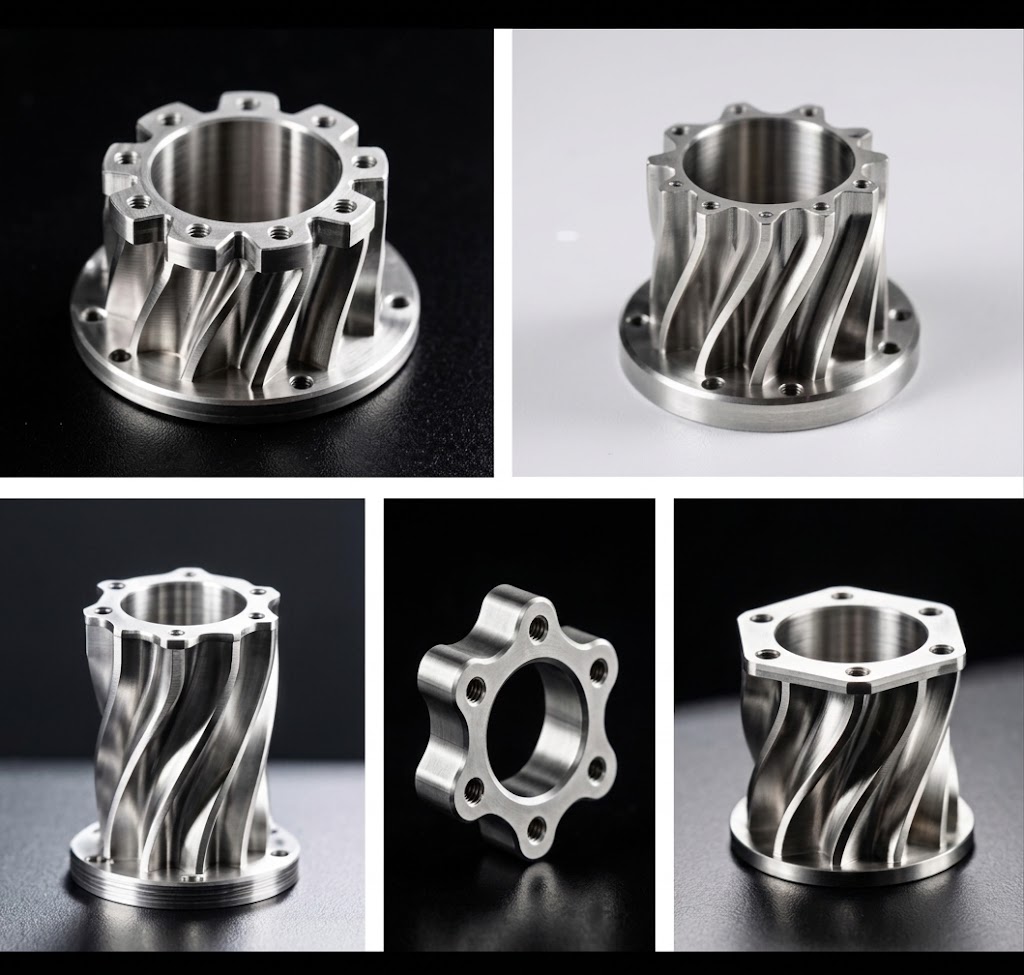
عندما لا تستطيع المواد البلاستيكية تلبية متطلباتك, توفر VOK أيضًا طباعة معدنية ثلاثية الأبعاد. المواد المتاحة تشمل AL6061, السي10 ملغ, TC4, GH3625, 17-4الرقم الهيدروجيني, 316ل, و18Ni300.
وتشمل المواصفات النموذجية:
- خشونة السطح: رع 6.3–7
- تسامح: 0.2-0.4 ملم
- المزايا: صب متكامل, هياكل خفيفة الوزن, والنماذج الأولية السريعة
يمكن أن تدعم الطباعة المعدنية التطوير الهندسي حيث تحتاج إلى نموذج أولي معدني لتقييم الهيكل, وزن, ملائم, أو الخصائص الوظيفية.
3د مقارنة تكنولوجيا الطباعة
يعتمد اختيار العملية الصحيحة على ما تحتاج إلى اختباره. المقارنة التالية يمكن أن تساعدك على اتخاذ قرار أولي.
| تكنولوجيا | المواد النموذجية | تسامح | الميزة الرئيسية | التطبيقات المناسبة |
|---|---|---|---|---|
| جيش تحرير السودان | راتنج يشبه ABS, GP60 | ± 0.05 ملم | دقة عالية, سطح أملس | نماذج المظهر, نماذج تفصيلية |
| SLS | PA12, PA12+GF, السلطة الفلسطينية + مف | ± 0.1 ملم | خصائص ميكانيكية قوية | الأجزاء الوظيفية, النماذج الهندسية |
| الطباعة المعدنية | AL6061, السي10 ملغ, TC4, 316ل | 0.2-0.4 ملم | هياكل معدنية متكاملة | النماذج الأولية المعدنية, مكونات خفيفة الوزن |
تعتمد العملية الصحيحة على متطلبات التصميم الخاصة بك بدلاً من مجرد اختيار الخيار الأقل تكلفة. يمكن لـ VOK مساعدتك في تقييم المادة, أبعاد, تسامح, والتطبيق المقصود قبل الإنتاج.
كيف تعمل عملية النماذج الأولية السريعة
يمكنك الانتقال من المفهوم الرقمي إلى النموذج الأولي المادي من خلال سير عمل مباشر:
- أرسل تصميم CAD الخاص بك
قم بتوفير النموذج ثلاثي الأبعاد والمتطلبات الفنية للمراجعة. - تحديد متطلبات النموذج الأولي الخاص بك
تأكيد الأبعاد, مادة, تسامح, متطلبات السطح, كمية, والتطبيق. - حدد تقنية الطباعة
اختر اتفاقية مستوى الخدمة, SLS, أو الطباعة المعدنية ثلاثية الأبعاد وفقًا لمتطلباتك الوظيفية والمرئية. - إنتاج النموذج الأولي
تقوم VOK بمعالجة التصميم الخاص بك باستخدام تكنولوجيا ومواد التصنيع المحددة. - فحص واختبار الأجزاء
تحقق من الأبعاد, ملائم, جودة السطح, حَشد, والأداء الوظيفي بناءً على متطلبات مشروعك. - قم بالمراجعة والتصنيع مرة أخرى إذا لزم الأمر
إذا حدد الاختبار تغييرات التصميم, يمكنك تحديث نموذج CAD وإنتاج نموذج أولي آخر للتكرار.
يساعدك سير العمل هذا على تحديد مشاكل التصميم مسبقًا, قبل الالتزام بتصنيع كميات أكبر.
جودة, خبرة, والقدرة على الإنتاج
للمشاريع النموذجية, فالقدرة التقنية وحدها ليست كافية. أنت أيضًا بحاجة إلى تواصل متسق, مراقبة الإنتاج, وتوثيق الجودة.
شركة VOK للتكنولوجيا الدقيقة, المحدودة. لديه:
- 20+ سنوات من الخبرة في الصناعة
- 200+ طاقم عمل
- 3,000 قاعدة إنتاج م²
- 5,000+ مشاريع في السنة
- 1,000+ العملاء العالميين
- خبرة في خدمة السيارات, طبي, الفضاء الجوي, إلكترونيات, وصناعات الأتمتة
- وثائق الشهادة متاحة للتحقق من الجودة والامتثال
طورت VOK شراكات طويلة الأمد مع العملاء في جميع أنحاء أوروبا, أمريكا الشمالية, وآسيا والمحيط الهادئ. تتيح تجربة المشروع الدولي هذه للفريق فهم المتطلبات الهندسية المختلفة ودعم تطوير النماذج الأولية لمجموعة واسعة من التطبيقات.
متى يجب عليك استخدام الطباعة ثلاثية الأبعاد للنماذج الأولية السريعة؟?
3تعد الطباعة ثلاثية الأبعاد مفيدة بشكل خاص عندما يكون تصميمك لا يزال قيد التطوير أو عندما تحتاج إلى التحقق المادي قبل أدوات الإنتاج.
اعتبرها عندما تحتاج:
- نموذج أولي لمراجعة تصميم المنتج
- تكرارات تصميم متعددة
- نموذج أولي وظيفي للاختبار
- جزء مخصص بكمية صغيرة
- نموذج أولي معدني بدون أدوات تقليدية
- نموذج مرئي مفصل للعرض أو اختبار التجميع
إذا كان مشروعك يتطلب مئات أو آلاف الأجزاء المتطابقة, لكن, قد تستفيد في النهاية من قولبة الحقن أو عملية إنتاج أخرى. توفر VOK أيضًا التصنيع باستخدام الحاسب الآلي, تصنيع الصفائح المعدنية, صب الفراغ, الأدوات السريعة, وقولبة الحقن, حتى تتمكن من الانتقال إلى طريقة تصنيع أخرى عندما يتجاوز مشروعك النماذج الأولية.
التعليمات
ما هي أفضل تكنولوجيا الطباعة ثلاثية الأبعاد للنماذج الأولية السريعة؟?
لا توجد عملية واحدة لكل تطبيق. SLA مناسب للنماذج الأولية عالية التفاصيل والأسطح الملساء, يعمل SLS بشكل جيد مع الأجزاء البلاستيكية الوظيفية, بينما تكون الطباعة المعدنية ثلاثية الأبعاد مناسبة عندما تحتاج إلى مواد معدنية وهياكل متكاملة معقدة.
ما مدى دقة خدمة الطباعة ثلاثية الأبعاد من VOK?
تعتمد الدقة على التكنولوجيا والمواد المختارة. التسامح المعلن لـ SLA من VOK هو ± 0.05 مم, التسامح SLS هو ± 0.1 مم, بينما يبلغ تحمل الطباعة المعدنية حوالي 0.2-0.4 مم.
هل يمكن استخدام الطباعة ثلاثية الأبعاد لتصنيع كميات صغيرة؟?
نعم. 3يمكن أن تكون الطباعة ثلاثية الأبعاد مناسبة للإنتاج بكميات صغيرة عندما تكون تكاليف الأدوات, تغييرات التصميم, أو الأجزاء المخصصة تجعل التصنيع التقليدي أقل عملية. العملية المناسبة تعتمد على الكمية, مادة, هندسة, ومتطلبات الأداء.
خاتمة
يمكن أن يساعدك النموذج الأولي الصحيح في تحديد مشكلات التصميم قبل أن تصبح مشكلات إنتاج باهظة الثمن. مع جيش تحرير السودان, SLS, وخيارات الطباعة المعدنية, شركة VOK للتكنولوجيا الدقيقة, المحدودة. يوفر مرونة النماذج الأولية السريعة حلول لتطوير المنتجات, الاختبار الوظيفي, التحقق الهندسي, والتصنيع بكميات صغيرة. مع 20+ سنوات من الخبرة, 1,000+ العملاء العالميين, و 5,000+ مشاريع في السنة, يمكن لـ VOK دعم النموذج الأولي الخاص بك بدءًا من بيانات CAD وحتى الأجزاء النهائية.
الحث على اتخاذ إجراء
أرسل ملف CAD ثلاثي الأبعاد الخاص بك, المواد المطلوبة, كمية, أبعاد, ومتطلبات التطبيق ل VOK لتقييم المشروع والتوصية المناسبة لعملية الطباعة ثلاثية الأبعاد.