When your design moves from CAD to a physical part, Sheet metal prototyping can become challenging. You need accurate bends, clean cuts, reliable welds, suitable materials, and finishes that match the final application. Poor manufacturability can also increase rework, cost, and lead time.
At VOK PRECISION TECHNOLOGY, you can develop custom sheet metal prototypes from initial design through low-volume production. With 20+ years of industry experience, 200+ staff, a 3,000㎡ production base, and 5,000+ projects per year, VOK supports engineers and product teams across automotive, medical, aerospace, electronics, automation, and other industries.
What Is Sheet Metal Prototyping?
Sheet metal prototyping turns flat metal sheets into functional parts through processes such as cutting, bending, punching, welding, drilling, and finishing. You can use prototypes to verify dimensions, assembly, appearance, fit, and manufacturability before moving into larger production volumes.
For example, an engineering team developing an electronic enclosure may need to confirm mounting-hole positions and bend dimensions before committing to production. A physical prototype allows you to identify interference or assembly issues earlier.
VOK supports sheet metal prototype fabrication using materials including:
- AL5052 aluminum
- Stainless steel
- Cold rolled steel
- Hot rolled steel
- Galvanized steel
- Copper
- Zinc
Sheet Metal Prototyping Processes
A successful prototype depends on selecting the right process for each feature. VOK combines several fabrication operations to reduce the need to coordinate multiple suppliers.
Laser Cutting and Sheet Metal Bending
Laser cutting sheet metal provides a controlled method for producing profiles, holes, and complex contours. After cutting, bending forms the flat sheet into the required three-dimensional geometry.
Your design team can therefore evaluate both dimensional accuracy and assembly fit before production.
Sheet Metal Welding
VOK provides several welding options depending on the material, geometry, and required joint characteristics.
- Laser welding: Suitable when you need precise, fast welding and controlled heat input.
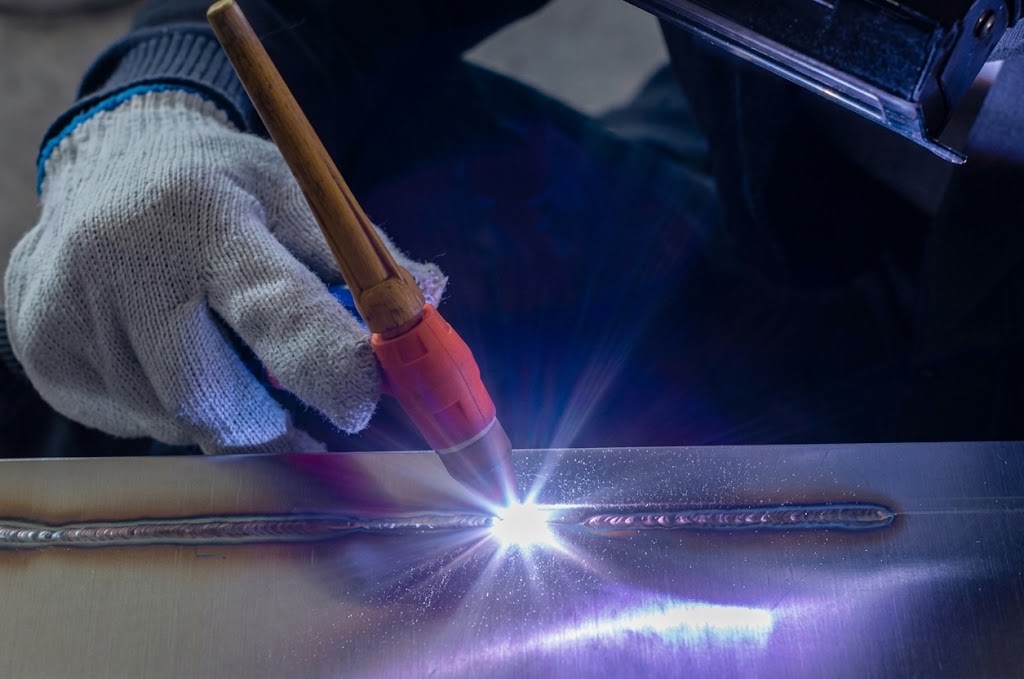
- TIG welding: Provides strong, high-quality joints but generates more heat and may increase deformation.
- Spot welding: Produces a relatively small heat-affected zone and low thermal distortion.
- Full-penetration welding: Useful when the joint requires deeper weld penetration.
The appropriate process depends on your part design, material, joint configuration, and structural requirements rather than using one welding method for every project.
Finishing and Secondary Operations
After fabrication, you can specify surface treatment and finishing according to your functional or cosmetic requirements.
Common options include:
- Painting
- Polishing
- Plating
- Powder coating
- Riveting
- Tapping
- Screwing
- PEM nut installation
Sheet Metal Prototype Fabrication vs. Production
Choosing the right manufacturing approach depends on your development stage, quantity, design complexity, and validation requirements.
| Factor | Sheet Metal Prototyping | Low-Volume Production |
|---|---|---|
| Main purpose | Design and functional validation | Small-scale product manufacturing |
| Typical quantity | Prototype or small batch | Larger repeat quantities |
| Design changes | Easier to implement | Usually less frequent |
| Process focus | Speed and manufacturability | Consistency and efficiency |
| Best use | Testing fit, function and appearance | Market launch or ongoing production |
This approach allows you to validate a design first and then transition into low volume sheet metal production when the design is ready.
How to Develop a Sheet Metal Prototype
You can follow a structured workflow to reduce avoidable manufacturing problems.
- Submit your CAD files and specifications. Provide drawings, 3D models, material requirements, tolerances, and finish requirements.
- Review manufacturability. VOK engineers evaluate bends, holes, weld joints, material selection, and other production details.
- Select materials and processes. Choose cutting, bending, welding, finishing, and secondary operations according to the application.
- Produce the prototype. VOK fabricates the part using the agreed process and specifications.
- Inspect and validate the part. Check dimensions, assembly fit, appearance, and functional requirements.
- Move to low-volume production. Once you approve the prototype, the design can proceed toward repeat production.
This workflow helps you detect design issues before they become expensive production changes.
Why Work With VOK for Sheet Metal Prototyping?
When you compare a sheet metal prototype manufacturer, look beyond fabrication equipment. Engineering support, production experience, quality management, and communication can directly affect your project.
VOK combines sheet metal fabrication with other manufacturing capabilities, including CNC machining, CNC turning, 3D printing, vacuum casting, rapid tooling, and injection molding. This gives you access to multiple manufacturing methods when a project requires more than one process.
VOK also reports:
- 1,000+ global clients
- Tens of thousands of completed projects
- 20+ years of industry experience
- 200+ staff
- 3,000㎡ production base
- 5,000+ projects per year
- Experience serving Europe, North America, and Asia-Pacific
The company also provides certification information and quality documentation for customers who require documented manufacturing controls.
FAQ
What materials can you use for sheet metal prototypes?
You can choose materials such as AL5052 aluminum, stainless steel, cold rolled steel, hot rolled steel, galvanized steel, copper, and zinc. The appropriate material depends on strength, corrosion resistance, weight, conductivity, appearance, and application requirements.
Which welding method should you choose?
Laser welding works well when precision and controlled heat input are important. TIG welding can provide strong, high-quality joints, while spot welding is useful when you need localized joining with limited thermal distortion.
Can sheet metal prototypes move into low-volume production?
Yes. You can use the prototype stage to verify dimensions, assembly, appearance, and manufacturability before moving into repeat production. VOK supports projects from prototypes through larger-scale production.
Conclusion
Effective Sheet metal prototyping helps you validate your design before committing to larger production quantities. By combining material selection, laser cutting, bending, welding, finishing, engineering review, and quality control, you can reduce design risks and prepare your parts for reliable manufacturing.
VOK PRECISION TECHNOLOGY supports engineers and product teams with custom sheet metal fabrication, rapid prototyping, and low-volume production. If you have a CAD model, drawing, material specification, or prototype requirement, you can send your project details to VOK for a manufacturing review and quotation.